


Cortisol

Written by SiPhox Health Research Team

Last updated: June 26, 2024
4 mins read
Cortisol is a hormone synthesized and secreted by the adrenal glands of the kidneys that plays a major role in regulating stress, metabolism, and immunity. It follows a diurnal rhythm that is affected by sleep, naturally rising in the early morning, peaking around 30 minutes after waking, and then falling throughout the day into the evening.
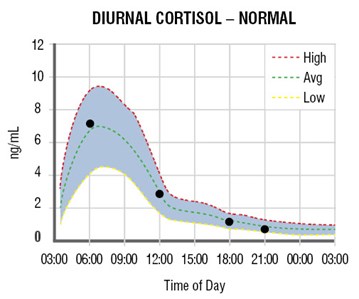
High cortisol levels can be associated with acute (sudden), chronic (long-term), and/or traumatic (life-threatening) stress. Secondary factors associated with mental stress include alcohol use, smoking, lack of exercise, inadequate sleep, and poor nutrition. Over time, prolonged high cortisol levels, as seen in hypercortisolism or Cushing’s syndrome, may contribute to weight gain, fat redistribution, poor sleep, lowered immune function, and increased inflammation. Low cortisol levels may suggest poor adrenal function or Addison’s disease.
Cortisol also plays a major role in metabolism and metabolic health by influencing how your body uses carbohydrates, fats, and proteins. During stress, cortisol raises blood sugar to provide a quick source of energy. It signals the liver to release glucose into the bloodstream and temporarily reduces insulin’s effect so that glucose remains available. This response can be helpful in the short term, but when cortisol stays elevated over time, it may contribute to higher blood sugar and increased fat storage.
While levels in the lower range are better for inflammation, morning cortisol levels under 3 ug/dL may indicate adrenal insufficiency. Cortisol levels consistently above the normal range may indicate Cushing’s syndrome, which can sometimes be associated with tumors. Keep in mind that certain medications can alter cortisol production, so it is important to talk to your doctor if you are concerned about your levels.
The four-point cortisol test involves collecting saliva at four different times of day, typically morning, noon, evening, and night. Although some variation is expected, unusually high or low results at these specific times may suggest an adrenal gland disorder or an abnormal cortisol rhythm. Because saliva is convenient to collect, the 4-point salivary cortisol test can be especially useful for repeat testing throughout the day when evaluating potential abnormalities or underlying conditions.
Ultimately, the main difference between the saliva and blood tests is that the four-point saliva test is more diagnostic in nature, especially for conditions that affect cortisol rhythm, while the blood test is more suited for general monitoring.
If your cortisol levels are on the higher side, studies suggest the following interventions may help with regulation:
Dietary Changes: Including herbs and natural supplements such as rhodiola, lemon balm, and chamomile can help to reduce cortisol. Foods such as dark chocolate, garlic, fermented foods (kimchi, yogurt), and plants high in vitamin C (oranges, broccoli) can help as well.
Lifestyle Changes: Aim for 8 hours of restful sleep (avoid caffeine after midday, wear blue-light blocking glasses, put the screens away before bed), and spend more time in nature to lower your cortisol levels. Practicing yoga, tai chi, qi gong, and other mindfulness meditation exercises and surrounding yourself with healthy relationships (pets are a plus!) can help as well.
If your cortisol levels are on the lower side, studies suggest the following interventions may help with regulation:
Lifestyle Changes: High-intensity exercise and consuming caffeine can help to increase cortisol levels.
DISCLAIMER: IF YOU ARE CONCERNED WITH ANY OF YOUR RESULTS, PLEASE CONSULT WITH YOUR PHYSICIAN.